

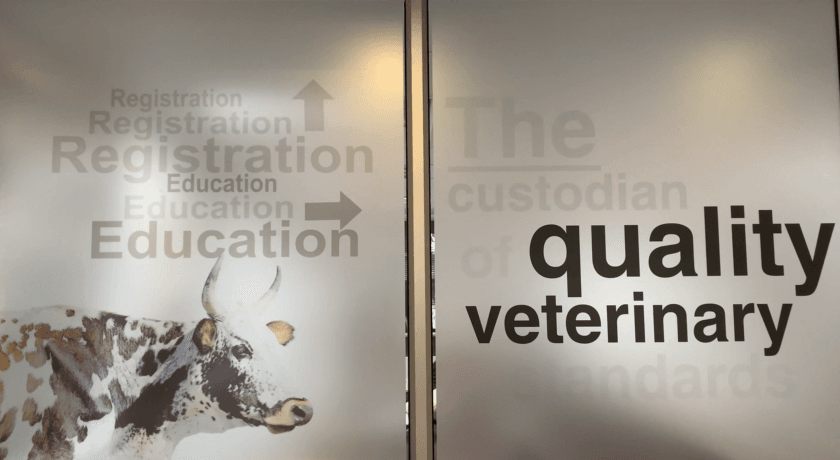
Established in 1933 under the Veterinary Act and continuing under the Veterinary and Para-Veterinary Professions Act of 1982, the South African Veterinary Council (SAVC) has long served as the custodian of the veterinary and para veterinary professions.
Like other statutory bodies created to regulate and safeguard key professions in South Africa, the SAVC exists to protect the public and uphold professional standards. Doctors are guided by the Health Professions Council of South Africa, teachers fall under the South African Council for Educators, and lawyers are regulated by the Legal Practice Council.
Since its inception, the SAVC has worked quietly behind the scenes to provide the framework these professions need to thrive. Under the guidance of the Registrar, the Education, Registration, Finance, Legal, Corporate Services and ICT divisions have protected and nurtured those who care for the animals and the public health of South Africa, whilst providing support to Council’s registrees.
This article outlines the primary functions of each SAVC division and shows how the work they do strengthens the veterinary and para-veterinary professions.
If you have a query for the SAVC, you can reach out to the entire administration directly. To ensure you are directed to the right person or team without any delays, first determine which division is best suited to assist you by reviewing the functions of our divisions outlined below.
Once you know the appropriate division, please visit the Contact Us page on the SAVC website to submit your query. This route ensures your request is handled efficiently and you receive the support you need.
Registration Division
The Registration Division ensures that only qualified and competent professionals are registered to practice. The team oversees all matters relating to the registration and good standing of registrees.
Its key functions include:
- Registering and maintaining an up-to-date list of qualified veterinarians and para-veterinary professionals.
- Registering facilities and coordinating inspections to ensure compliance with minimum standards of practice.
- Monitoring and auditing continuing professional development compliance.
- Issuing annual letters of registration and letters of good standing for registrees who wish to pursue new opportunities.
Through these processes, the Registration Division safeguards professional integrity and ensures that the public receives care from individuals who meet the required standards.
Education Division
The Education Division is responsible for maintaining the quality of education and training that prepares veterinary and para-veterinary professionals for practice. Its scope of work is wide ranging and includes advisory, regulatory and evaluative functions.
These responsibilities include:
- Advising the public on matters related to education and training in the veterinary and para-veterinary professions.
- Setting and evaluating standards of education and training at recognised institutions through visitations conducted every seven years.
- Monitoring subjects for all prescribed qualifications on a six-year cycle.
- Evaluating and benchmarking international veterinary education and training through reciprocity agreements and international meetings.
- Overseeing SAVC registration examinations for persons who do not hold prescribed qualifications or those removed from the register for more than three years.
- Setting up registration examinations for new para-veterinary professions.
- Managing special and jurisprudence examinations.
- Introducing new para-veterinary. professions to the regulatory framework
- Liaising with local standards bodies such as the SA Qualifications Authority, the Council on Higher Education, and the Department of Higher Education and Training.
This division ensures that graduates in these professions enter the field with relevant, rigorous and internationally aligned training.
Finance Division
The Finance Division provides essential financial oversight and ensures that both the SAVC and its registrees remain compliant with all regulatory and tax requirements.
Its core functions include:
- Ensuring that registrees receive invoices timeously.
- Updating registree accounts once payment is received.
- Implementing the Special Dispensation Policy for registrees who cannot afford their maintenance fees or reside abroad.
- Safeguarding the long-term financial viability and compliance of the SAVC.
This division supports the sustainability of the organisation and assists registrees in meeting their financial obligations.
Legal Division
The SAVC Legal Division steps in to uphold the law and ensure accountability, ensuring the integrity of the veterinary and para-veterinary professions and the safety of animals and people.
Its functions include:
- Handle complaints that range from laypersons performing veterinary and/or para-veterinary procedures, to complaints from the public about unprofessional conduct by registered professionals.
- Investigating complaints (criminal and/or unprofessional conduct).
- Drafting legislation and the rules for the various professions.
- Providing advice to members of the public and registrees alike.
- Conducting ad-hoc inspections should a complaint necessitate such inspections.
- Conducting unprofessional conduct hearings where the Investigation Committee resolved that a complaint must be referred to a hearing.
- Providing input regarding proposed legislation or the amendment of current legislation to the relevant authorities.
Corporate Services Division
Corporate Services focuses on creating a supportive and efficient environment within the SAVC.
Its primary functions include:
- Ensuring that the organisation has the best custodians of high-quality veterinary and para-veterinary standards.
- Supporting the wellness of both registrees and staff members.
Information and Communication Technology Division
The ICT Division ensures that the SAVC has stable and efficient systems to support its daily operations and governance, while the PR and Communications aspect of the Division ensures that registrees, stakeholders, and the public receive accurate, timely, and accessible information about the work of the SAVC.
Its responsibilities include:
- Coordinating development, support, and maintenance with external IT service providers.
- Providing guidance on system development.
- Managing technical issues, including those related to MailChimp messages.
- Ensuring that the SAVC is fully operational across all technology platforms, hardware, software, and networks.
- Overseeing regular data backups.
- Ensuring that Councillors have access to Council documents.
- Developing and implementing communication strategies across platforms including social media, press releases, newsletters, and annual reports.
- Managing MailChimp message campaigns, surveys, and statistical reporting
- Designing and procuring marketing materials.
- Updating and guiding development of the SAVC website.
- Managing advertisements and coordinating webinars.
- Leading processes for the Strategic Implementation and Annual Performance Plans.
- Collaborating with all SAVC divisions on various projects.
Through strong ICT support, the SAVC is able to function efficiently and securely; strengthening transparency, engagement, and awareness of the SAVC and its role.
The dynamic collaboration of all the divisions within the SAVC plays a critical role in keeping the registrees well equipped to meet the ever-changing demands of their field and to ensure that the people of South Africa are provided with adequate veterinary care that is relevant to the country’s needs and aligned to international best practice standards.
We are the custodians of the veterinary and para-veterinary professions, ensuring that both people and animals are safeguarded through the required standards of care and professionalism.


